Garden Maintenance in Finsbury Park

Garden maintenance in Finsbury Park means keeping outdoor spaces tidy, healthy and ready to use through regular, practical care. Our work can include routine lawn attention, hedge trimming, border upkeep, seasonal tidy-ups and the removal of unwanted growth, all shaped around the condition of the garden and the level of finish you want to maintain. The aim is to keep the space manageable rather than letting small tasks build into larger jobs.
We support domestic gardens, front and rear planting areas, shared outdoor spaces and small managed grounds that need a consistent approach. Some gardens need frequent attention because of fast-growing hedges or lawns, while others need lighter visits to restore shape and order. Clear maintenance planning helps make those differences easier to manage, so the work can focus on what is actually present rather than a fixed package that does not fit.
If you are comparing options, start with the parts of the garden that cause the most work and build the plan from there. You can request a quotation once you have a sense of the areas that matter most, whether that is the lawn, the hedges, the beds or an overall tidy. If you would like a straightforward place to begin, our pricing and quotes information is a useful next step.
Regular Garden Maintenance
Regular garden maintenance suits spaces that need steady attention rather than an occasional rescue. It may include mowing, edging, weeding, clearing leaves, deadheading and cutting back growth that is starting to crowd paths or beds. These visits are useful when you want the garden to stay in presentable condition through the season instead of waiting until every area has become overgrown.
The work can be adjusted to suit practical priorities. Some customers want the lawn kept neat and the boundaries sharpened, while others need attention focused on beds, access routes and visible areas near the house. We can also combine several small tasks into one visit so the garden feels balanced rather than improved in only one corner. If you already know the main jobs, it helps to group them by area before asking for a quotation.
Hedge and Boundary Care

Hedges often define the structure of a garden, so hedge maintenance is about both appearance and control. Trimming can help keep growth compact, reduce uneven edges and stop hedging from spilling into paving, driveways or neighbouring spaces. Depending on the type and size of hedge, the work may be light shaping or a more involved cut-back that restores a clear line and sensible proportion.
Boundary planting can also need attention where shrubs or climbers are beginning to dominate. Careful trimming is important because hard cutting at the wrong point can affect how the hedge or shrub recovers. A measured approach usually gives a better result than simply removing as much as possible. Where the garden has formal edges, the finish may need to look crisp; where it is more relaxed, the aim can be simply to keep growth tidy and contained.
Hedge trimming is often part of a wider maintenance plan, especially when the garden has both lawn and shrub borders. For customers who want the whole outdoor space kept in order, this section can be combined with general upkeep, seasonal cutting and clearance work without making every visit about the same task.
Lawn Care and Tidy Edges
Lawn care is one of the most visible parts of garden maintenance because it quickly changes how the whole space feels. A neat cut, clean edging and the removal of clippings can make a garden look ordered even when other parts are more natural or planting-heavy. The most suitable approach depends on whether the lawn is decorative, functional or simply one part of a mixed outdoor area.
In some gardens, mowing alone is not enough. The edges may need redefining, awkward corners may need attention and the grass may benefit from being cut in a way that keeps growth even rather than scalped. Good lawn care is usually about consistency, not forcing a dramatic transformation in one visit. If the grass has been left for longer than usual, the work may need to be staged so the lawn remains healthy as it is brought back under control.
Where lawns sit beside paths, planting beds or seating areas, tidy edges can make the rest of the garden easier to maintain too. If you want a wider picture of the work we cover, the lawn mowing page gives a simple route to the main service area and helps you decide whether mowing needs to sit alongside hedge or border care.
Clearance, Cutting Back and Seasonal Resetting

Some gardens move beyond routine maintenance and need a clearer reset. That may involve removing piles of cuttings, dealing with overgrown areas, opening up access routes or reducing the amount of material that has built up over time. Clearance work is different from light tidying because it focuses on restoring usable space before the regular maintenance rhythm can begin again.
This kind of job often suits areas where the planting has thickened, self-seeded growth has spread or dead material has stayed in place through more than one season. The task is usually best handled with a plan that separates what should be kept, shortened or removed entirely. That helps avoid unnecessary loss of healthy planting while still making the garden easier to move through and work in. If your garden feels difficult to manage, a garden clearance service can sit alongside ongoing maintenance rather than replacing it.
When a space has been neglected, it can also be useful to think about the order of operations. Clearing access first, then shaping the main growth and finally finishing the small visible details often gives a more coherent result. That order makes it easier to see what the garden needs next and whether follow-up maintenance should be regular or occasional.
Planting Areas, Borders and Light Landscape Care
Planting areas need a different touch from lawns and hedges because the work is often about control rather than cutting everything back. Borders may need deadheading, weeding, lifting fallen material, thinning congested growth or keeping path edges clear so the planting does not spread into the wrong place. In gardens with mixed ornament and utility, this kind of work helps the space stay deliberate rather than untidy.
Border maintenance can support a more complete garden finish, especially where shrubs, perennials and seasonal displays sit together. The right level of care depends on the planting style. Formal beds usually need sharper edges and more regular correction, while informal borders may only need periodic resetting to stop them becoming too dense. Where useful, this can be combined with wider landscape gardening work if the garden also needs layout changes or refreshed structure.
Working With a Practical Maintenance Plan
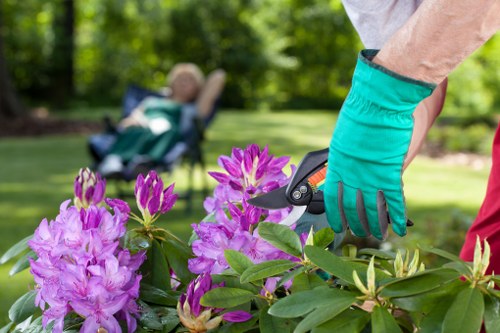
A useful maintenance plan is built around what the garden actually needs, not around a fixed list of tasks. Some spaces are best treated with a regular cycle that covers mowing, trimming and light tidying; others need a more flexible arrangement where heavier work is followed by simpler repeat care. The main decision is usually whether the garden needs control, improvement or both. Once that is clear, the rest of the plan becomes easier to shape.
When you ask for a quotation, it helps to have a rough idea of the areas involved, the condition of the space and any parts that need particular attention. Photos can be useful, as can a short note about access, slopes, planting density or waste that may need removing. Keep the focus on the garden itself rather than trying to write a long brief. If you want to review the wider service options before getting in touch, services overview gives a useful summary.
Useful points to think about before enquiring include:
- which areas need the most regular attention
- whether the garden needs ongoing maintenance or a one-off reset
- any hedges, lawns or borders that should be prioritised
- whether cuttings or cleared material need taking away
About Finsbury Park
Finsbury Park is an area in north London whose name is used for both the park itself and the wider surrounding district. The park opened in the late nineteenth century as one of London’s early metropolitan parks, created from former rural land and designed to give a densely built city edge more open recreational space. Today it remains a major green landmark, with broad lawns, tree-lined paths, sports facilities and space for concerts and large public gatherings. The park sits close to several busy transport routes, which has helped make it one of the best-known open spaces in the boroughs around the London–Islington boundary. Around it, the local street pattern mixes terraced housing, commercial corridors and areas that have changed over time through waves of development and renewal. The nearby station area is a notable transport node, linking Underground and rail services, while the surrounding neighbourhoods include streets with late Victorian and Edwardian housing as well as more recent apartment buildings. Finsbury Park also has a cultural identity shaped by its diverse communities, local shops, cafés and venues, alongside easy access to the wider park and its events. The area’s character comes from that combination of movement, density and green relief: a place where the park is both a destination in its own right and a central part of the local landscape, not just an amenity at the edge of built-up streets.
Tree Work, Larger Growth and Safety-Minded Maintenance
Some gardens include trees or larger woody growth that go beyond simple hedge care. In those cases, maintenance may need to account for low branches, damaged limbs, dense crowns or material that is starting to overshadow other planting. The right level of intervention depends on the size and type of growth, the surrounding layout and whether the aim is to keep the area tidy, improve light or remove a problem entirely.
Tree-related work often needs a careful eye because cutting decisions can affect shape, future growth and the overall balance of the garden. Where larger cutting or removal is required, it should be treated as a distinct task rather than folded casually into general tidying. For more detail on that part of the service range, our tree lopping and removal page outlines the main area of work and helps you decide whether a tree issue is part of the maintenance plan or a separate job.
For gardens that mix trees with planting and lawns, the best results usually come from working in the right order: deal with obstructions first, then shape the rest of the garden around the available light and space. That approach keeps the work grounded in what the garden can support rather than pushing every part to do the same job.
Finishing Touches, Access and Waste Handling

The final stage of garden maintenance is often about the details that make the space feel properly finished. Edges can be neatened, paths cleared, loose cuttings gathered and visible surfaces brought into line so the garden reads as one cared-for space rather than a set of partially completed tasks. These small actions matter because they affect how the whole area looks and how easy it is to keep that standard in future.
Access and waste handling are also part of the practical side of the work. If a garden is difficult to reach, has narrow side access or contains a lot of cut material, that can influence how the job is organised. The best way to keep the process straightforward is to focus on the actual condition of the space and the main outcomes you want from the visit. If you are ready to move ahead, you can request a quotation here.
Whether the task is regular maintenance, a one-off tidy or a combination of hedge, lawn and border care, the goal is the same: a garden that is easier to use and simpler to keep in shape. Tell us what needs attention, and we can help turn that into a clear, workable plan.