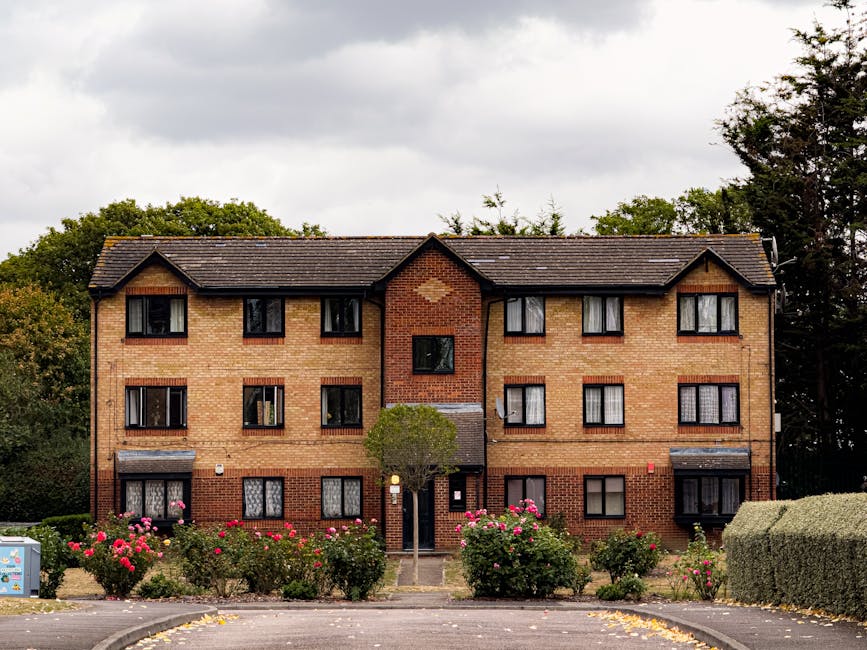
Blackstock Road garden services quick clearances for flats
If you live in a flat near Blackstock Road, you'll know how quickly a small outdoor space can get out of hand. One windy week, a bit of rain, a skipped bin day, and suddenly the balcony, courtyard, or shared garden feels cramped, messy, and harder to use than it should. That is exactly where Blackstock Road garden services quick clearances for flats come in: fast, tidy, practical garden clearance work designed for compact residential spaces, tricky access, and the kind of jobs that need doing properly without dragging on for days.
This guide explains how flat clearances work, what to expect, who needs them, and how to avoid the usual headaches. It also covers sensible best practice, compliance considerations, and the small details that make a clearance feel smooth rather than stressful. Let's face it, when you're trying to reclaim a balcony or shared outdoor area, you want less faff and more usable space.
Table of Contents
- Why Blackstock Road garden services quick clearances for flats matters
- How Blackstock Road garden services quick clearances for flats works
- Key benefits and practical advantages
- Who this is for and when it makes sense
- Step-by-step guidance
- Expert tips for better results
- Common mistakes to avoid
- Tools, resources and recommendations
- Law, compliance, standards, or best practice
- Options, methods, or comparison table
- Case study or real-world example
- Practical checklist
- Conclusion
- Frequently asked questions
Why Blackstock Road garden services quick clearances for flats Matters
Flats create a very specific kind of outdoor maintenance problem. The space is usually smaller, access is often shared, and there may be neighbours above, below, and beside you who can all be affected by noise, mess, and timing. A clearance for a flat is not the same as clearing a big suburban garden. It has to be quicker, quieter, and more considerate. That sounds obvious, but in practice it changes everything.
Blackstock Road and the wider Finsbury Park area have plenty of flats, maisonettes, and converted properties with courtyards, roof terraces, and compact front or rear spaces. These areas can collect leaf fall, self-seeded weeds, broken pots, dead plant material, old compost, and general clutter very fast. Sometimes it is just seasonal buildup. Sometimes it is the aftermath of a long gap between maintenance visits. Either way, if you leave it too long, the job gets more awkward and more expensive to sort out.
Quick clearances matter because they restore useable space before the problem spreads. A neglected balcony may attract pests, trap moisture, or make access awkward. A shared garden can start looking tired, and that has a ripple effect on how residents feel about the building overall. Truth be told, a clean outdoor space just feels better. It smells fresher too, especially after old soil and wet leaves have gone.
If you are trying to keep a flat outdoor area presentable between larger visits, it can help to think of clearance as the reset button. For ongoing upkeep, many residents also combine it with regular garden maintenance so the mess does not build up again quite so fast.
How Blackstock Road garden services quick clearances for flats Works
A proper flat clearance usually begins with a short assessment of access, scope, and waste volume. The main question is simple: what needs removing, what needs trimming back, and what can be left in place? On a flat-level job, the answer often includes dead plants, overgrown edges, light pruning, loose debris, broken planters, and general green waste. In some cases there may also be old furniture, bags, or mixed rubbish that needs separating from garden material.
The process is usually planned to keep disruption down. That means avoiding unnecessary back-and-forth through communal hallways, protecting shared areas from mud or loose clippings, and working efficiently in a space where every inch matters. A team experienced with compact urban properties will usually arrive prepared for narrow access, awkward stairwells, and the lovely little surprises that city buildings sometimes throw at you. A gate that sticks. A lift that is too small. A bin store that is already full. You know the sort of thing.
For many flats, quick clearances are best handled as a focused one-off service rather than a sprawling, all-day project. The goal is not to reinvent the garden, but to remove the immediate mess, make the area safe and usable, and set a sensible base for future care. If the space needs more than a tidy-up, it may make sense to pair the clearance with light landscaping or a longer-term design refresh.
In practical terms, a good clearance usually follows a fairly straight line:
- Inspect the space and identify access points.
- Agree what is being removed and what stays.
- Clear loose waste, green material, and visible debris.
- Cut back overgrowth or unmanageable edges where needed.
- Bag, load, and remove waste responsibly.
- Leave the area swept, checked, and ready to use.
That is the basic shape of it. The details vary, of course, but the pattern is the same: fast, tidy, controlled.
Key Benefits and Practical Advantages
Quick clearances for flats deliver more than a neat-looking space. They solve a cluster of everyday problems that tend to show up all at once. Here are the main benefits people notice most.
- Faster turnaround: Flats often need work completed within tight windows, especially where access depends on neighbours, building managers, or limited parking.
- Less disruption: Efficient clearance reduces noise, mess, and inconvenience in shared living spaces.
- Better use of space: Small patios, balconies, and shared gardens feel bigger once dead growth and clutter are removed.
- Improved appearance: A clean outdoor area lifts the look of the whole property, not just the garden itself.
- Lower maintenance burden: Removing the worst of the buildup makes it easier to stay on top of routine care later.
- Reduced trip and slip risks: Loose pots, branches, wet leaves, and hidden debris can be awkward in tight spaces.
There is also a quieter benefit that people sometimes overlook. A sorted-out flat garden gives residents a sense of breathing room. You step outside with a mug of tea or a book and do not immediately feel the urge to turn back inside. That sounds small, but it matters.
If the space includes structural features like timber steps, sleeper edges, or raised decking, it is worth checking whether the area would also benefit from decking services or more tailored repairs after the clearance is complete.
Who This Is For and When It Makes Sense
This kind of service is for people who need a flat's outdoor space cleared quickly, neatly, and without a lot of organising on their side. It is especially useful when the work needs to happen around everyday life rather than during a grand garden overhaul. Not everyone needs a full clearance. Sometimes a light tidy is enough. But sometimes the space is at the point where a quick reset is the sensible call.
It tends to make sense for:
- flat owners who want to reclaim a balcony, terrace, or courtyard;
- landlords preparing a flat for new tenants;
- property managers keeping shared outdoor spaces presentable;
- residents dealing with seasonal buildup after winter or autumn;
- older tenants who need the job handled safely and efficiently;
- people returning after a long absence to find the space has gone a bit wild.
Sometimes the trigger is simple embarrassment. A neighbour mentions the overgrowth. Or you open the back door on a damp Tuesday morning and think, no, not today. Fair enough. It happens.
For properties with ongoing planting and upkeep needs, it can be worth combining the clearance with a plan for hedge trimming or lawn mowing if there is any grassed communal area attached to the building.
Step-by-Step Guidance
If you want a clearance to go smoothly, the best approach is to break it into sensible stages. Rushing is fine. Panicking is not. A little preparation saves a lot of backtracking.
1. Walk the space first
Look at what is actually there. Overgrown planters, dead foliage, stacked bags, broken items, stray compost, mossy corners, or anything that needs careful handling. If the flat has shared access, check where the team can carry waste out without causing a nuisance.
2. Decide what is garden waste and what is not
This matters more than people expect. Green waste is usually straightforward, but mixed junk, old household items, and construction leftovers need different handling. A quick mental sort before work starts can prevent confusion later.
3. Set a realistic priority order
Work from the most urgent issues first: blocked access, sharp debris, unstable pots, heavy overgrowth, then lighter tidying. In a small flat garden, clearing the obvious problem areas first often makes the whole space feel better almost immediately.
4. Remove waste in batches
Rather than piling everything up and dealing with it at the end, good practice is to clear in manageable batches. That keeps the space navigable and reduces the chance of damage or mess spreading through communal areas.
5. Finish with a visual sweep
Take ten minutes at the end to check corners, edges, and hidden spots behind bins or planters. This final pass is what turns "cleared" into "actually ready to use." Small difference, big result.
If the space needs ongoing care afterwards, a plan built around services overview options can help you decide whether to continue with maintenance, trimming, or occasional clearances.
Expert Tips for Better Results
Small spaces reward precision. That is the main thing to remember. In a flat, a sloppy clearance looks worse because every edge is visible. A careful one, though, can make the whole place feel calmer in an afternoon.
- Clear on a dry day if possible. Wet clippings, mud, and slimy leaves are harder to move and leave more residue behind.
- Protect shared routes. Even a simple dust sheet or temporary floor protection can make a big difference in hallways and entrances.
- Think vertically. In flats, overhanging growth can crowd the eye more than ground-level clutter. Trimming up and back often matters as much as clearing down.
- Leave space for future access. Do not pack planters or storage items too tightly. You will thank yourself later.
- Keep waste sorting simple. Separate green waste, reusable items, and general rubbish before loading if the job requires it.
One practical detail people forget: a flat clearance often feels quicker if you prepare where the waste will go before the team starts lifting anything. That means making sure bins, loading points, and access routes are clear. Otherwise everyone ends up doing that awkward sideways shuffle with a bag of clippings. Nobody enjoys that.
For regular upkeep after the clearance, it can help to schedule a repeat visit rather than waiting for the garden to get messy again. A little consistency beats a heroic rescue mission every time.
Common Mistakes to Avoid
Most clearance problems are preventable. They usually come from trying to do too much in one go, underestimating access issues, or treating a flat like a standalone house garden. It is not the same job.
- Leaving access unplanned: Narrow stairs, lifts, locked gates, and shared corridors can slow everything down if they are not checked in advance.
- Mixing all waste together: Green waste, household rubbish, and bulky items may need different handling. Mixing them creates delays.
- Ignoring neighbours: Noise, timing, and shared paths matter more in flats than in private gardens.
- Overlooking hidden debris: Under planters, behind storage boxes, and along fence lines is where the awkward stuff hides.
- Assuming one visit solves everything: If the space has been neglected for a while, you may need a clearance first and then maintenance afterwards.
Another common mistake is trying to keep sentimental items "just in case." A cracked pot, old bag of compost, or half-dead planter can hang around for months because nobody wants to decide. Happens all the time. But clutter in a flat garden space has a habit of multiplying quietly.
Tools, Resources and Recommendations
For a quick flat clearance, the right tools are often simple rather than fancy. You want equipment that moves efficiently in tight spaces and leaves a clean finish. If a job is being handled professionally, you would usually expect the team to arrive with items suited to small-access work and responsible waste handling.
Useful tools and practical kit may include:
- secateurs and loppers for manageable cutting back;
- rakes, brooms, and hand tools for fine debris;
- tough waste sacks for green material;
- tarps or sheets to protect communal floors or lifts;
- gloves and eye protection for thorny or brittle growth;
- lightweight carrying containers for narrow access routes.
From a property-owner perspective, the most useful resource is a clear brief. Photos help. A list of what bothers you helps even more. If you are trying to be efficient, write down the spaces in order of priority: balcony, courtyard, shared garden edge, bin area, access path. That way the clearance can start with the real pain point rather than the part that merely looks ugly on a photo.
If you want a wider picture of what can be handled beyond a straightforward tidy-up, the garden clearance page is a helpful reference point for understanding the scope of clearance work across different property types.
Law, Compliance, Standards, or Best Practice
For flat clearances, the main compliance issues are usually practical rather than dramatic. You are dealing with access, safe handling, waste separation, and sensible behaviour in shared residential settings. That means keeping walkways clear, avoiding damage to communal parts of the building, and disposing of waste responsibly.
Where tools, lifting, or cutting work is involved, safe working methods matter. In plain English: use the right kit, do not overload bags or carry awkward loads carelessly, and keep the area tidy as you go. In shared buildings, it is also wise to plan noisy work for appropriate times and to communicate with neighbours or building managers if needed.
Insurance and safety are worth checking too. A reputable service should be able to explain how it manages risk and protects both the property and the workers on site. If you want a clearer idea of those expectations, the site's insurance and safety information is the right place to start. For broader working practices, the health and safety policy page sets out the tone you would want from any professional service.
Waste disposal is another one. Green waste should be handled separately where appropriate, and anything beyond that should be treated honestly rather than hidden in a sack and hoped for the best. Not glamorous, I know. But that is the difference between a tidy clear-out and a messy shortcut.
If you are comparing providers, ask how they handle access, lifting, waste separation, and post-job cleanup. Simple questions, but they tell you a lot.
Options, Methods, or Comparison Table
Not every flat needs the same type of clearance. Some need a fast tidy. Others need overgrowth removed and the whole space reset. A useful way to decide is to compare the main approaches side by side.
| Method | Best for | Typical strengths | Watch-outs |
|---|---|---|---|
| Quick tidy clearance | Light clutter, fallen leaves, small planters, surface debris | Fast, low disruption, ideal for compact flats | Won't solve deeper overgrowth or neglected areas |
| Full garden clearance | Heavy buildup, mixed waste, neglected patios or courtyards | Resets the space thoroughly | Needs more time, more access planning, and more waste handling |
| Clearance plus maintenance | Spaces that need a reset and then regular care | Keeps results looking good for longer | Requires ongoing scheduling, so it is a bigger commitment |
| Clearance plus landscaping | Flats where the layout itself is awkward or tired | Improves both function and appearance | Usually not the fastest option, because it adds design or installation work |
To be fair, the right choice is rarely the most ambitious one. For many flats, a focused quick clearance is exactly what is needed. Then you decide whether to add trimming, tidy planting, or a bigger improvement later.
Case Study or Real-World Example
Imagine a first-floor flat with a small shared courtyard off Blackstock Road. The area has been used less over winter, and by spring it has collected wet leaves, broken pots, a few dead stems, and a corner of scruffy growth around the fence line. Nothing disastrous, just one of those spaces that slowly slides from "fine" to "I should really deal with that."
A quick clearance begins with access checks, then the obvious waste is removed first so the space becomes workable again. Dead material is cut back. The floor area is swept. Loose bits near the door are cleared away. A few awkward items are separated rather than shoved into the same bag. By the end, the courtyard looks wider, lighter, and easier to use. Not perfect. Just much better. And that is often the real goal.
In a similar job, a balcony might only need lightweight pruning and a thorough clean-up. In another, a shared garden edge may also need tree lopping and removal if a branch is encroaching on light or access. The point is that the clearance should fit the space, not force the space to fit the clearance.
That flexibility is what makes a flat-focused service valuable. It adapts to small living, awkward access, and limited time. And when it works well, the difference is instant.
Practical Checklist
Use this simple checklist before arranging a flat clearance on or near Blackstock Road:
- Identify the exact spaces that need clearing.
- Check whether access involves stairs, lifts, shared gates, or locked entrances.
- Separate green waste, mixed rubbish, and items you want to keep.
- Remove fragile items from the work area in advance.
- Tell neighbours or building managers if the job may affect shared areas.
- Decide whether you need a tidy clearance, a fuller reset, or follow-up maintenance.
- Take a few photos if the space is difficult to describe.
- Ask how cleanup and waste removal will be handled.
- Plan for aftercare so the space does not slide back too quickly.
Expert summary: the best flat clearances are the ones that respect access, keep disruption low, and leave the space genuinely easier to live with. Quick does not mean careless. It means focused, organised, and done with enough judgement to avoid rework.
Get a free quote today and see how much you can save.
Conclusion
Blackstock Road garden services quick clearances for flats are about more than removing mess. They restore useable space, reduce stress, and make compact outdoor areas feel like part of the home again. In flat living, that counts for a lot. You do not need a massive transformation to feel the difference; sometimes a clean, open, well-cleared space is enough to change how you use it day to day.
If your balcony, courtyard, or shared garden has got away from you a little, the sensible move is to start with a focused clearance and then decide whether ongoing maintenance, trimming, or wider improvements would help next. Simple as that. And honestly, that first tidy-up can feel like a small win, which is no bad thing at all.
When a flat's outdoor space is working properly, the whole place feels a bit lighter. That's the real value, really.
Frequently Asked Questions
What does a quick flat garden clearance usually include?
It usually includes removing dead plants, loose debris, light overgrowth, broken pots, and general clutter from a balcony, courtyard, terrace, or shared garden area. The exact scope depends on access and how much material needs to be taken away.
Is a flat clearance different from a normal garden clearance?
Yes. Flat clearances usually involve tighter access, shared entrances, more care around neighbours, and smaller working spaces. That means the job has to be planned more carefully than a standard house garden clearance.
How fast can a flat garden clearance be done?
It depends on size, access, and the amount of waste. A small tidy-up may be quite quick, while a neglected courtyard or shared area can take longer. The key is matching the service to the actual condition of the space.
What should I do before the team arrives?
Move personal items, note any access issues, and separate anything you want to keep. If the job involves a shared area, it helps to alert neighbours or building management in advance. A little prep goes a long way.
Can a clearance include cutting back overgrown plants?
Yes, if that is part of the agreed job. Many clearances include light pruning, trimming back, or cutting down dead growth so the space is easier to manage afterwards.
What happens to the waste after a flat clearance?
Green waste and other material should be handled responsibly and removed from site. Good practice is to sort waste sensibly rather than mixing everything together without thought. That keeps the job tidy and reduces avoidable problems.
Do I need permission for a shared garden clearance in a flat block?
Sometimes, yes. If the area is communal or managed by a landlord, freeholder, or residents' association, it is best to check before work starts. Shared spaces usually need a bit more coordination than private ones.
How often should a flat garden be cleared?
There is no fixed rule. Some flats only need a seasonal clearance, while others benefit from lighter maintenance throughout the year. If the space gets messy quickly, a regular plan is often easier than waiting for a bigger build-up.
Can quick clearances help with balcony safety?
They can. Removing loose items, fallen debris, and unstable planters improves access and reduces the risk of trips or clutter-related issues. It is not a substitute for proper structural checks, of course, but it does make the area safer to use.
When should I choose maintenance instead of another clearance?
If the space is already tidy but keeps slipping back into disorder, ongoing maintenance is usually the better choice. Clearance resets the space. Maintenance helps keep it that way. That is the simple difference.
Can a quick clearance be combined with other garden work?
Yes, and often that is the smartest route. Depending on the space, you might combine clearance with hedge trimming, lawn mowing, or even small landscaping improvements. It saves time and creates a more consistent finish.
How do I know if a provider is suitable for flat access work?
Look for clear communication about access, waste removal, safety, and how they handle shared spaces. If they understand the realities of flats-stairs, lifts, neighbours, and tight courtyards-they are usually a better fit than a generic service.
For more background on the wider service offer and what sits alongside clearance work, you can also review about us, pricing and quotes, recycling and sustainability, and the company's contact details when you are ready to make an enquiry.