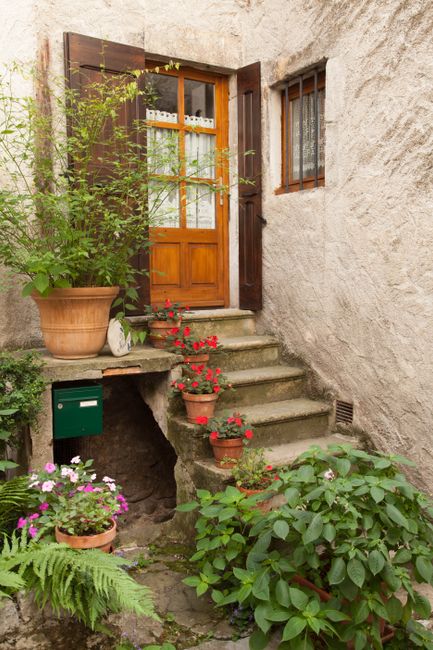
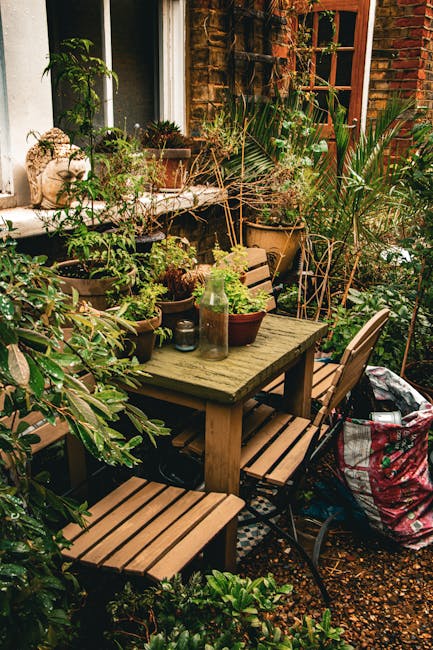
Stroud Green Road gardeners top tips for small courtyard gardens
Small courtyard gardens can be some of the most rewarding spaces to design, but they can also be the trickiest. One minute you've got a neat little urban retreat; the next, it feels cramped, shaded, and a bit forgotten. The good news? With the right approach, even a modest courtyard off Stroud Green Road can feel calm, generous, and genuinely useful. These Stroud Green Road gardeners top tips for small courtyard gardens focus on layout, planting, maintenance, and the practical decisions that make a tight space work hard without looking busy.
In a place like this, every square metre has to earn its keep. So let's keep things practical, not fussy. You'll find ideas you can use straight away, whether you want a low-maintenance spot for morning coffee, a leafy hideaway, or a courtyard that simply stops looking tired by late summer.
Table of Contents
- Why small courtyard garden advice matters
- How a good courtyard layout works
- Key benefits and practical advantages
- Who this is for and when it makes sense
- Step-by-step guidance
- Expert tips for better results
- Common mistakes to avoid
- Tools, resources and recommendations
- Law, compliance, standards, or best practice
- Options, methods, or comparison table
- Case study or real-world example
- Practical checklist
- Conclusion
- Frequently asked questions
Why Stroud Green Road gardeners top tips for small courtyard gardens Matters
Courtyard gardens are different from larger front or back gardens. There's less room for error, fewer opportunities to hide awkward corners, and much less tolerance for clutter. A plant that looks charming in a border can quickly become a nuisance in a confined space. A surface that holds water for too long can make the whole area feel damp and shaded. That's why local, practical guidance matters.
For homes around Stroud Green Road, the usual challenge is a mix of urban shade, walls that block light, and limited storage for tools or compost. You may also be dealing with older paving, narrow access, or a layout that has been altered a few times over the years. In our experience, these are exactly the gardens where a few smart decisions make a huge difference. Not dramatic. Just smart.
The aim is not to make a courtyard look like a country garden squeezed into a shoebox. That usually backfires. Instead, the goal is to create clarity, softness, and easy movement. Once the structure is right, planting becomes easier, upkeep drops, and the garden starts to feel like an asset rather than a chore.
Expert summary: In small courtyard gardens, the strongest results come from simplicity, scale, and repetition. One or two good materials, a restrained planting palette, and a layout that leaves breathing room will usually beat a crowded, overdesigned scheme.
How Stroud Green Road gardeners top tips for small courtyard gardens Works
A successful courtyard garden usually works on three levels: structure, planting, and maintenance. If one of those is weak, the whole space can feel off. If all three support each other, even a tiny yard can seem twice as generous.
1. Structure creates the sense of space
Think of structure as the bones of the garden. Paths, paving, raised planters, seating, screens, and trellis define how the space feels before you even add plants. Straight lines can help a very narrow courtyard feel organised. Gentle curves can soften boxy walls. Either way, the aim is to make the eye move naturally, not stop at every obstacle.
2. Planting adds softness without chaos
Courtyard planting should be layered but controlled. A few upright plants, some lower groundcover, and a handful of seasonal highlights often work better than lots of different species competing for attention. Vertical interest matters too. When floor space is limited, growing upward makes sense.
3. Maintenance keeps the design alive
Small spaces show neglect quickly. A pot that dries out, a hedge that leans too far, or a patch of moss on paving can make the whole courtyard look tired. Regular trimming, sweeping, and light seasonal work make the biggest difference. This is where garden maintenance becomes less of a luxury and more of the engine that keeps the garden pleasant.
To be fair, courtyards are often more about rhythm than abundance. Once you understand that, the design gets easier. You stop asking, "What else can I squeeze in?" and start asking, "What should stay out?" That change alone can transform the space.
Key Benefits and Practical Advantages
Done well, a courtyard garden can give you a surprising amount back for the space it takes up. It's not just about looks. It's about how you use the garden day to day.
- Better usability: A clear, well-planned courtyard is easier to sit in, water, clean, and enjoy.
- Lower maintenance: The right planting and materials reduce endless tidying.
- More privacy: Screens, planting, and careful height choices can soften overlooking from nearby buildings.
- Better light balance: Reflective surfaces, pale paving, and upright planting can stop a dark space from feeling closed in.
- Stronger curb appeal: Even if the courtyard is only seen by you and a few visitors, it can still make the whole property feel cared for.
There's also a quieter benefit that people sometimes underestimate: a courtyard that feels orderly tends to be used more often. You sit outside more. You notice the rosemary smelling sharp after rain. You actually water the pots instead of pretending you will later. Small wins, but they matter.
If the garden has become overgrown or full of leftover material, a proper reset can help before you start rethinking the layout. In those cases, garden clearance can give you a clean slate without dragging the project out for weeks.
Who This Is For and When It Makes Sense
This approach is ideal if you live in a townhouse, flat, converted property, or period home with a compact rear courtyard. It also makes sense if your current garden feels too shaded, too cluttered, or too difficult to keep under control.
You may be a good candidate for this kind of planning if:
- you want a courtyard that feels bigger without extending it
- you need a low-maintenance outdoor space
- you have limited storage and want fewer complicated garden tasks
- you're preparing to sell and want the outdoor space to look neat and intentional
- the existing paving, edging, or planting has become patchy and awkward
It also makes sense for landlords and busy homeowners who simply do not want a garden that turns into another weekend job. Let's face it, nobody dreams of spending Saturday afternoon scrubbing patio joints if it can be avoided.
If your courtyard includes larger hedges, awkward overgrowth, or boundary planting that blocks light, it can be worth exploring hedge trimming as part of the overall plan. A surprising amount of light can be recovered with one careful cut, especially in tighter urban gardens.
Step-by-Step Guidance
Here's a practical way to improve a small courtyard without overcomplicating it. You do not need to do everything at once. In fact, that often makes things worse.
Step 1: Clear the visual noise
Start by removing broken pots, unused furniture, dead plants, and anything that makes the space feel busy before you've even reached the planting. If you can't walk through the garden without dodging things, you're already losing space.
Step 2: Look at shade, drainage, and access
Before choosing plants, notice where the sunlight falls, where water gathers after rain, and how you move through the space. A courtyard in London may get bright morning light, then go cool and shaded by afternoon. That's fine. But you need to know it first. A plant chosen for a sunny terrace will sulk in deep shade. It happens all the time.
Step 3: Decide the main use of the garden
Ask a simple question: what is this courtyard for? Sitting? Dining? Displaying plants? Drying laundry? A bit of all four? The answer should shape the layout. A garden that tries to do everything usually ends up doing none of it properly.
Step 4: Fix the hard landscaping before planting
If paving is uneven, poorly drained, or visually broken, sort that first. The bones of the garden need to feel stable. Depending on the property, that may involve new paving, edging, or a more intentional surface layout. If you are planning a bigger redesign, landscaping can help bring the structure into line with how you actually want to use the space.
Step 5: Choose a planting scheme with restraint
Use a limited palette of plants and repeat them. Repetition gives calm. If every pot is shouting a different message, the whole courtyard feels smaller. A few evergreen forms, one or two flowering accents, and some textural plants are often enough.
Step 6: Add vertical layers
Courtyard gardens love height. Trellis, wall planters, climbing plants, and tall but narrow shrubs all help draw the eye up. This is one of the best tricks for small spaces. The garden feels fuller, but not crowded.
Step 7: Build in easy upkeep
Choose surfaces you can sweep, plants you can trim without ladders, and containers you can move if needed. A design that needs constant rescue is not really a design. It's a project waiting to become a headache.
If the garden includes a small deck or seating platform, make sure it suits the scale of the courtyard. A well-proportioned deck can create a practical sitting area, especially where paving alone feels too hard-edged. For that, decking services may be worth considering as part of the redesign.
Expert Tips for Better Results
This is where the small details start to pay off. Not glamorous, but they add up quickly.
- Use fewer materials: Two or three surface types are usually enough. Too many finishes make a small courtyard feel chopped up.
- Repeat colour thoughtfully: A repeated planting colour, such as white, soft pink, or deep green foliage, helps the eye settle.
- Choose containers with weight and proportion: Tiny pots tend to look lost. One or two larger planters often look better than five small ones.
- Keep one clear sightline: Let the eye travel to a focal point, even if it's just a bench, a tree, or a statement pot.
- Use evergreen structure: Evergreen plants stop the garden from feeling bare in winter. That matters more than people think.
- Think about scent: In a small courtyard, fragrance can be lovely. But don't overdo it. A little rosemary, lavender, or jasmine goes a long way.
A small, slightly cheeky truth: a courtyard garden can look expensive without actually being complicated. Often, what makes it feel premium is clean edges, disciplined planting, and no random stuff lying around. That's the whole game, really.
When to bring in a professional
If the space has awkward levels, drainage issues, a lot of old planting to remove, or you simply want a more polished finish, a professional can save time and avoid costly mistakes. For anything involving tree work or larger boundary growth, it is sensible to handle things carefully and in line with proper safety practice. If that's relevant, tree lopping and removal should only be considered where it is genuinely needed and appropriate.
Common Mistakes to Avoid
Most disappointing courtyard gardens fail for the same few reasons. The good news is that these are avoidable.
- Overcrowding: Too many plants, pots, and features make a small space feel even tighter.
- Ignoring shade: A courtyard that gets limited sunlight needs shade-tolerant planting. Hoping for the best rarely works.
- Using oversized furniture: Big tables and bulky chairs can dominate the entire area.
- Picking high-maintenance plants by accident: Some plants look beautiful in a nursery and then become a weekly chore.
- Leaving drainage problems untreated: Standing water can lead to slippery paving, moss, and damp patches.
- Skipping regular maintenance: Small gardens need less work, yes, but they still need work.
One common slip-up is trying to make a courtyard feel bigger by filling it with mirror-like shiny surfaces and too many decorative objects. The result can be more nervous than spacious. Quiet design usually wins.
If the courtyard has become packed with waste, old materials, or a build-up of unwanted debris, it may be worth resetting the area first and then rebuilding with a cleaner plan. That is often the point where garden clearance proves its value again.
Tools, Resources and Recommendations
You do not need a shed full of equipment to manage a small courtyard well. A few reliable tools and a sensible routine are better than a giant collection of gadgets you rarely touch.
| Tool or item | Why it helps | Best for |
|---|---|---|
| Stiff hand brush | Keeps paving and corners clear of leaves and grit | Weekly tidy-ups |
| Lightweight pruners | Makes trimming easier in tight spaces | Deadheading and shaping |
| Watering can or compact hose | Helps control watering in pots | Container planting |
| Long-reach secateurs | Useful where access is awkward | Small pruning jobs |
| Quality compost | Feeds plants in containers and raised beds | Seasonal refresh |
| Felt pads or feet for pots | Protects surfaces and helps drainage | Hardstanding areas |
For ongoing care, a simple routine is often enough. If you prefer someone else to keep on top of the basics, garden maintenance can cover the regular jobs that stop a courtyard slipping into clutter.
And if you are comparing service options or trying to understand the wider scope of help available, services overview is a useful place to get a feel for what is typically offered. Pricing is another practical factor, of course, so checking pricing and quotes can help you plan realistically rather than guessing.
Law, Compliance, Standards, or Best Practice
For most small courtyard gardens, the main compliance issues are practical rather than dramatic. Still, best practice matters. If work involves access routes, shared boundaries, or anything that could affect neighbours, it should be handled considerately and safely. In multi-occupancy properties, that can mean planning around access, noise, and waste removal so nobody gets an unpleasant surprise.
It is also sensible to think about safety where slippery surfaces, unstable walls, or heavy objects are involved. Good garden work is not just tidy work; it is careful work. That is why a responsible provider should be clear about insurance, safety processes, and how they handle tasks that carry extra risk. If that matters to you, the site's insurance and safety information and health and safety policy are worth reviewing.
There is also a sustainability angle. In small gardens, waste can build up quickly when pruning, replacing soil, or clearing out old containers. Responsible disposal and recycling habits are part of good practice, not an optional extra. The same goes for thoughtful material choices and avoiding needless waste. If you want to understand that approach better, recycling and sustainability is a sensible page to look at.
For anything involving service arrangements, payment terms, or customer expectations, clear paperwork is helpful. It is not thrilling, granted, but it saves misunderstandings later. The pages on terms and conditions and payment and security are the sort of practical detail people often skip until they need it.
Options, Methods, or Comparison Table
Different courtyard approaches suit different needs. Here is a simple comparison to help you decide what style of solution makes the most sense.
| Approach | Best for | Pros | Trade-offs |
|---|---|---|---|
| Low-maintenance planting | Busy homeowners, rentals, compact spaces | Easy upkeep, tidy year-round structure | Less seasonal variety unless planned carefully |
| Container-heavy design | Patios, flexible layouts, renters | Movable, easy to refresh, good for awkward spaces | More watering and feeding needed |
| Hard landscaping focus | Courtyards with poor surfaces or drainage | Creates structure, improves usability | Higher upfront effort |
| Plant-led courtyard | People who want a softer, greener feel | Rich atmosphere, more privacy, seasonal interest | Requires more care and better plant choice |
In practice, many of the best gardens mix two approaches rather than choosing just one. For example, a clean paved base with a handful of substantial planters can feel far calmer than a courtyard packed with tiny features. Simple, but not plain.
Case Study or Real-World Example
Imagine a narrow courtyard off a side street near Stroud Green Road. It has old paving, one tired climber, three small pots, and a bench that is a bit too large for the space. The garden is not broken, exactly. It just feels underused and slightly apologetic.
The first change is clearing out the clutter. Dead plant material goes, the bench is replaced with a smaller seat, and the paving is cleaned so the surface no longer looks grey and forgotten. Next, the planting is reduced to a simple palette: one evergreen focal plant, two repeated flowering containers, and a climber trained onto a trellis to add height.
Then the layout is tightened. There is one clear walking line, one sitting area, and one visual focal point at the far end. The garden now looks longer and more composed. It also becomes easier to maintain, because the number of jobs drops sharply. Fewer pots. Fewer messy corners. Less stress.
Nothing magical happened there. No dramatic transformation, no giant budget, just good judgement and a bit of patience. Honestly, that's usually how the best courtyard improvements go.
Practical Checklist
Use this checklist before you start or when you are reviewing an existing courtyard garden.
- Is the garden's main purpose clear?
- Have you checked how much light and shade it gets through the day?
- Are there any drainage or slippery-surface problems?
- Have you removed clutter, dead plants, and unnecessary objects?
- Does the space use a limited, repeated colour and material palette?
- Are the plants suited to the courtyard's conditions?
- Is there enough vertical interest to keep the space from feeling flat?
- Can you maintain the design without constant effort?
- Are seating and furniture scaled properly for the space?
- Do you have a plan for seasonal upkeep and waste removal?
If several of those boxes are unchecked, start there. Not with new ornaments. Not with more pots. Start with the basics. That's where the real improvement lives.
Conclusion
Small courtyard gardens are at their best when they are calm, clear, and easy to live with. The strongest Stroud Green Road gardeners top tips for small courtyard gardens are not about cramming in more features; they're about making better choices. Good layout, sensible planting, tidy maintenance, and a little restraint can turn even a tight urban space into a place you actually want to step into.
Whether you are starting from scratch or trying to rescue a courtyard that has got a bit tired, focus on structure first and decoration second. That order matters. Get the bones right and everything else feels easier. And nicer, too.
If you want help turning a cramped courtyard into a practical and welcoming outdoor space, take the next step with a trusted local team. Get a free quote today and see how much you can save.
Frequently Asked Questions
What makes a small courtyard garden work well?
A small courtyard works well when the layout is clear, the planting is restrained, and the materials are kept simple. You want the space to feel intentional, not crowded. Good drainage and easy access matter too.
Which plants are best for a shady courtyard?
Shade-tolerant plants are usually the safest choice for courtyards that do not get strong direct sun. Look for plants that tolerate lower light and do not mind being in containers or against walls. The exact mix depends on the amount of shade and how dry the space gets.
How do I make a courtyard garden feel bigger?
Use fewer materials, repeat plant forms, keep furniture slim, and create at least one clear sightline. Vertical planting can also help by drawing the eye upward. A clutter-free courtyard almost always feels larger than one full of small features.
How often should a small courtyard be maintained?
Light maintenance is usually better done little and often. A weekly sweep, occasional weeding, and seasonal pruning will keep most courtyards in good shape. If you let jobs pile up, small spaces can look messy very quickly.
Is decking a good idea in a small courtyard?
It can be, especially if you want a warmer, softer sitting area than paving alone provides. The key is scale. In a tiny courtyard, decking should support the layout rather than dominate it.
Should I use pots or build-in planting beds?
Both can work. Pots are flexible and easy to change, while built-in beds create more structure and can look more permanent. Many good courtyard gardens use a mix of both, because that gives variety without losing order.
What is the biggest mistake people make with courtyard gardens?
Overcrowding. People often try to fit in too many plants, ornaments, and pieces of furniture. The result is usually less space, not more beauty. A bit of restraint goes a long way.
Can a courtyard garden be low maintenance?
Yes, absolutely. Choose the right plants, use simple surfaces, and avoid designs that need frequent tidying. Low maintenance does not mean no maintenance, but it can mean much less work overall.
Do I need professional help for a small courtyard garden?
Not always. If the garden is straightforward, a good plan and some patience may be enough. But if there are drainage issues, awkward boundaries, overgrown hedges, or a layout that no longer works, professional help can save time and avoid expensive mistakes.
How do I keep a courtyard garden looking good in winter?
Evergreen structure is the answer. Keep some shape in the planting through the colder months, use reliable containers, and avoid relying only on summer flowers. A courtyard that has a backbone will still look considered in January.
What should I do before starting a courtyard garden redesign?
Clear out clutter, assess light and shade, check for drainage problems, and decide what you want the space to do. Once those points are clear, the rest becomes much easier. It sounds basic, but honestly, that's where the success starts.
How do I choose the right garden help for a courtyard space?
Look for a team that understands small-space design, routine upkeep, and the practical realities of urban gardens. It helps if they can advise on maintenance, clearance, planting, and any structural changes in a straightforward way. A clear approach is usually a good sign.