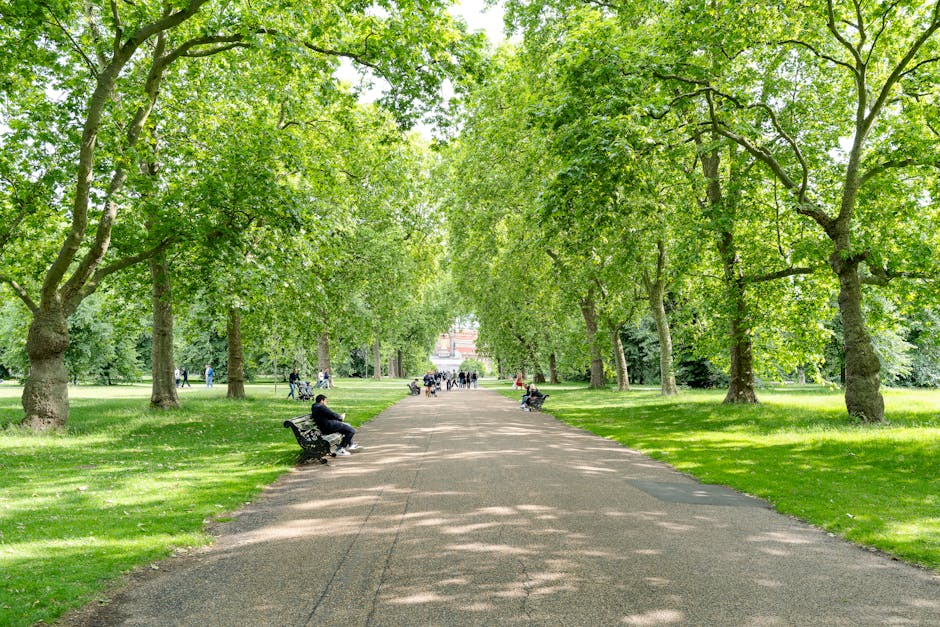
What Islington Council Rules Mean for Finsbury Park Gardeners
If you garden in Finsbury Park, the local rules can shape almost every job you do. What Islington Council rules mean for Finsbury Park gardeners is not just a planning question; it affects hedge heights, waste handling, neighbour relations, tree work, noise, and even how you schedule maintenance on a busy street. Some of the rules are obvious, others are the sort people only notice after a complaint lands in their inbox. Bit of a headache, really.
This guide breaks it all down in plain English. You will see what usually matters, where the common pressure points are, how to stay on the right side of council expectations, and which garden tasks need a bit more care than others. Whether you are a homeowner, tenant, landlord, or a gardener working for clients, the aim is simple: keep the garden looking good without causing avoidable problems.
Why What Islington Council rules mean for Finsbury Park gardeners Matters
Finsbury Park sits right on the edge of dense London living, so a neat garden can be a welcome relief from noise, bin bags, traffic and the usual urban shuffle. That is exactly why council rules matter here. When a garden is maintained well, everyone benefits: the property looks cared for, pathways stay safer, neighbours are less likely to complain, and work tends to go faster because there is less mess to sort through.
In practical terms, council rules are there to reduce nuisance and protect people, property and green spaces. For gardeners, that means thinking beyond plants. You need to consider what gets cut, where waste goes, when work happens, and whether any part of the job could affect a boundary, pavement, wall, or tree. If you have ever trimmed a hedge on a mild Saturday morning only to realise the clippings have filled half the front path, you will know how fast a simple task becomes a social one.
These rules also matter because London gardens are often shared in spirit, even when they are privately owned. Noise travels. Waste piles up quickly. Overhanging branches can become somebody else's problem. And in a mixed area like Finsbury Park, a bit of care goes a long way. To be fair, that is usually what the council wants as well: sensible, tidy, considerate gardening rather than drama.
If you need ongoing help keeping things manageable, a service like garden maintenance can make it much easier to stay on top of routine work without letting small issues spiral into complaints or bigger repairs.
How What Islington Council rules mean for Finsbury Park gardeners Works
The main thing to understand is that council rules rarely read like a gardener's handbook. They are usually spread across different areas: noise, waste, highways, trees, planning, property conditions, and environmental protection. So the question is not "what is the one rule for gardens?" but rather "which parts of council guidance touch this job?"
In day-to-day gardening, that usually translates into a few workable checks:
- Is the work likely to create noise at an awkward time?
- Will cuttings, soil, timber, or bulky waste be removed properly?
- Does the job affect a protected or mature tree?
- Could the hedge, fence line, or shrub growth cause an issue with visibility or access?
- Are you working close to a public pavement or shared boundary?
Not every job needs formal approval, and that is where people sometimes overcomplicate things. Lawn mowing, basic pruning, weeding, and light clearance are usually straightforward. But once you get into tree removal, major hedge reduction, skips, front-garden changes, or work that touches a boundary or frontage, it is wise to pause and check the likely implications.
If the job involves larger volumes of waste, garden clearance can be a practical way to keep the site tidy and ensure green waste, broken branches and general debris are handled in a controlled way rather than left in a pile that becomes a nuisance by the weekend.
Another big part of how the rules work is courtesy. Sounds old-fashioned, maybe, but it matters. A quick heads-up to neighbours before loud work, keeping access clear, and avoiding mess on shared paths can prevent problems long before anyone thinks about contacting the council.
Key Benefits and Practical Advantages
Following council-aware gardening practice is not just about avoiding trouble. It makes the work better. Cleaner. Less stressful. More predictable. Here are the main benefits Finsbury Park gardeners usually notice.
- Fewer complaints: Neighbours are far less likely to object when the work is tidy, timely and considerate.
- Safer working conditions: Clear paths, proper disposal, and sensible handling of tools reduce the chance of accidents.
- Better plant health: Pruning and maintenance done at the right time usually gives better results than reactive cutting.
- Lower risk of enforcement issues: Keeping within local expectations helps avoid avoidable council attention.
- Cleaner presentation: A garden that looks cared for often feels bigger, calmer and easier to use.
There is also a financial upside, even if it is indirect. Well-managed gardens tend to need less emergency work. Waste is handled in batches rather than in panic. And the more organised the schedule, the easier it is to price jobs properly and avoid awkward surprise costs later. If you are comparing options, pricing and quotes can help you plan around the scale of the work rather than guessing your way through it.
One less obvious benefit: a compliant garden tends to be easier to maintain through the seasons. You are not constantly fighting a backlog. The hedge is under control, the lawn is not turning into a meadow, and the whole space just behaves better. That sounds simple, but it saves time every single month.
Who This Is For and When It Makes Sense
This topic is relevant to far more people than casual gardeners. In fact, it matters to almost anyone who has responsibility for outdoor space in or around Finsbury Park.
- Homeowners: especially those with front gardens, boundary hedges, or mature trees.
- Landlords and letting agents: because outdoor areas can affect property condition and tenant disputes.
- Tenants: if the tenancy includes garden upkeep or shared outdoor responsibilities.
- Professional gardeners: who need to work safely and avoid creating issues for clients.
- Residents managing a one-off clearance: after a move, a renovation, or a long period without maintenance.
It makes particular sense to think about the council angle when the job includes one or more of these:
- large hedge reductions
- tree pruning or removal
- heavy garden waste
- work near a pavement, wall, or shared access route
- changes that affect how the front of the property looks from the street
If a job has moved from routine tidying into a bigger transformation, it may be worth exploring landscape gardening or broader landscaping support, because design choices, boundary treatment and access all start to matter a lot more at that stage.
And yes, sometimes the council questions are really neighbour questions in disguise. Who's trimming what, when, and where the branches end up. Very London, honestly.
Step-by-Step Guidance
If you want to keep gardening jobs smooth and compliant, this simple process works well in practice.
- Identify the type of work. Start by separating routine maintenance from higher-risk work. Mowing and weeding are one thing. Tree work or major clearance is another.
- Check boundaries and access. Look at what touches the pavement, shared fence lines, communal paths, walls, or neighbouring plants.
- Decide whether the job creates nuisance. Think about noise, dust, loose waste, blocked access, or smell from rotting green waste. Small thing, big impact.
- Plan the waste route. Cuttings and debris should be bagged, stacked, composted, or removed in a controlled way. Do not leave it looking like a post-storm scene.
- Use the right tools and pace. Overpowered equipment at the wrong time can create complaints. Careful work is often better work.
- Protect trees and nesting areas. Be cautious with anything mature, established, or ecologically valuable. If unsure, stop and assess.
- Finish with a clean site. Sweep paths, clear driveways, and remove anything that could blow around or block access.
For weekly or monthly upkeep, a good routine usually beats occasional heroic effort. Services such as lawn mowing and hedge trimming are often the easiest way to keep the garden in a stable, council-friendly condition without letting things get out of hand.
One useful habit: before and after photos. Nothing dramatic. Just a quick record on your phone. If a neighbour later claims the garden was left messy or branches were damaged, you have a simple factual reference. Not glamorous, but very useful.
Expert Tips for Better Results
After enough time in garden work, you notice that most problems are not caused by the plant itself. They come from timing, poor planning, or rushing. Here are a few practical tips that tend to make a real difference.
- Trim hedges before they become a visibility or boundary issue. Waiting too long usually means heavier cuts, more waste, and more complaints.
- Work with the season, not against it. Wet, windy or nesting-sensitive periods can change what is sensible. You do not need to be perfect; just thoughtful.
- Keep front gardens especially neat. These are the most visible from the street and often draw the most attention. People notice the front first. They just do.
- Separate green waste from general rubbish. Mixed waste is harder to handle and can make a small job look careless.
- Choose proportion over aggression. A hedge cut too hard can take months to recover and may look worse than leaving it a little longer.
There is also a human tip that sounds obvious but is often skipped: speak to neighbours if the work is likely to be noisy or visible. A short note, a quick chat, even a wave over the fence. It softens the edges of the job. In a place like Finsbury Park, that matters more than people think.
If a garden has accumulated a lot of debris or old material, it can be worth booking a proper garden clearance rather than trying to force everything into one bin day. Saves time, saves stress, and keeps the space usable.
Common Mistakes to Avoid
Most garden rule problems are not wild offences. They are ordinary mistakes that snowball. The good news is they are easy enough to avoid once you know them.
- Leaving cuttings on the pavement or boundary: this is one of the quickest ways to annoy someone, especially on a narrow street.
- Assuming all tree work is routine: it is not. Tree-related jobs need more care than mowing or tidying shrubs.
- Ignoring access routes: if people cannot pass safely, you have created a problem even if the garden itself looks neat.
- Doing noisy work too early or too late: common sense is usually the best guide, even before any formal rule comes into play.
- Over-cutting hedges or shrubs: the garden can look harsh, and recovery may take longer than expected.
- Mixing general rubbish with green waste: it complicates disposal and often makes the site look untidy.
One more, and this one gets overlooked: forgetting that a garden job can affect the street outside the garden. A pile of trimmings, a blocked kerb, muddy footprints, a fallen branch left by the gate. That is the bit neighbours remember.
Truth be told, many complaints are not about the gardening itself. They are about the aftermath.
Tools, Resources and Recommendations
You do not need a van full of specialist kit to stay compliant. But the right basics make a big difference, especially for regular maintenance in a built-up area.
- Sharp hand tools: cleaner cuts, less strain on plants, less faff overall.
- Leaf and waste bags: useful for keeping clippings contained rather than scattered by the wind.
- Tarpaulins or sheets: handy for gathering waste quickly from tight spaces.
- Hearing and hand protection: sensible for powered tools and heavier clearances.
- Basic site photos: before, during, and after. Simple and effective.
From a service perspective, it often helps to use a company that can handle both routine and more involved jobs. For example, services overview is useful if you want to understand how maintenance, clearance, hedge work, and larger garden improvements fit together.
For larger jobs involving branches, trunks or stubborn woody waste, tree lopping and removal should be approached carefully and only when the work is clearly appropriate. That kind of job can have implications for safety, property lines and the long-term shape of the garden. Better to handle it properly than regret it later.
If sustainability matters to you, and it should, then recycling and sustainability is worth keeping in mind when planning disposal, composting and greener maintenance habits. Small changes add up.
Law, Compliance, Standards, or Best Practice
Gardeners in Finsbury Park do not need to become legal specialists, but they do need a practical understanding of the rules that can affect outdoor work. In the UK, garden-related compliance usually sits across several themes rather than one neat manual.
The main ones to keep in view are:
- Noise control: avoid creating unnecessary disturbance, especially early mornings, evenings, and weekends.
- Waste handling: do not leave cuttings, branches, or debris where they could cause nuisance or block access.
- Tree protection: treat mature trees carefully and check before carrying out major work on anything significant.
- Boundary respect: do not assume you can cut, remove, or alter anything that clearly belongs to a neighbour or shared area.
- Health and safety: use suitable protective equipment and safe working methods.
Best practice often goes beyond minimum compliance. That means good housekeeping, sensible communication, and planning jobs in a way that reduces friction. If you are hiring help, it is sensible to look for clear policies around safety and insurance. Pages such as health and safety policy and insurance and safety are useful signs that a provider takes these duties seriously.
Also, if you are booking a gardener or landscaping team, the practical side matters too: payment clarity, secure handling of details, and fair terms. That is where payment and security and terms and conditions come into the picture. Not glamorous, granted, but it is all part of a trustworthy service relationship.
One gentle caution: council rules can change in tone or emphasis over time, and different situations need different judgement. If a job feels borderline, do a little more checking rather than assuming. That habit saves a lot of trouble.
Options, Methods, or Comparison Table
Different garden jobs call for different levels of care. The comparison below shows how the council angle tends to vary across common tasks in Finsbury Park.
| Garden task | Typical risk level | What to watch for | Best approach |
|---|---|---|---|
| Lawn mowing | Low | Noise, timing, and stray clippings | Keep it tidy, avoid awkward hours, finish by sweeping paths |
| Hedge trimming | Low to medium | Waste volume, boundary lines, neighbour impact | Trim steadily, collect clippings, avoid overcutting |
| Garden clearance | Medium | Waste disposal, access, visual mess | Plan removal in stages and keep the site clear |
| Tree work | Medium to high | Safety, tree status, branch drop zones | Check carefully before starting and use a cautious method |
| Hard landscaping | Medium to high | Surface levels, drainage, boundaries, access | Plan the layout properly and avoid rushing decisions |
If you are unsure where your project sits, start with the least invasive option. A careful maintenance pass is often enough to solve the immediate problem, and then you can decide whether a bigger intervention is really needed. Simple, but effective.
Case Study or Real-World Example
Here is a typical Finsbury Park scenario. A terraced property has a front hedge that has grown a little wild after months of rain and patchy attention. The branches now lean into the path, the clippings are starting to collect near the kerb, and the owner wants it dealt with quickly before neighbours complain.
The first step is not just cutting. It is checking the hedge line, the pavement edge, and whether the work will create a mess for passers-by. The second step is to trim in a way that keeps the path clear and reduces waste falling into the street. The third step is to remove all debris, sweep the frontage, and make sure nothing is left for wind or bin day to deal with later.
In that case, the work would probably be straightforward, but only if it is handled with care. If the hedge is tied to a larger neglected frontage, the job may move into a broader maintenance visit or even a full tidy-up. That is where coordinated support helps. A gardener might combine lawn mowing, hedge trimming, and light garden maintenance so the property looks coherent rather than half-finished.
And that really is the point: most council-related garden issues are less about perfection and more about visible care. A property that feels looked after rarely causes the same problems as one that looks forgotten.
Practical Checklist
Use this checklist before starting garden work in Finsbury Park:
- Check whether the job is routine maintenance or something more substantial.
- Look for boundary issues, overhanging growth, or access problems.
- Think about noise and the likely time of day.
- Plan how green waste will be collected and removed.
- Protect paths, pavements, and shared entrances from debris.
- Be cautious around mature trees and anything that may need extra checks.
- Keep tools suitable for the job and use safety gear where needed.
- Leave the area clean, swept, and ready to use.
- Take quick photos if the job is large or boundary-sensitive.
- Ask for help if the scope is bigger than expected.
If the garden has tipped into "too much for one afternoon" territory, a managed service can be the calm, practical option. No shame in that. Honestly, sometimes the sensible choice is just the sensible choice.
Get a free quote today and see how much you can save.
Conclusion
What Islington Council rules mean for Finsbury Park gardeners, in plain terms, is this: garden work should be tidy, considerate, safe, and planned with the local environment in mind. Most jobs will never become a big issue, but the jobs that do tend to be the ones rushed without checking boundaries, waste, noise, or tree-related concerns.
If you keep the work clean, communicate where needed, and treat waste and access as part of the job rather than an afterthought, you will avoid most problems before they start. That is the sweet spot. Not perfect, just properly done.
For many people, the best approach is a mix of routine upkeep and the occasional more involved visit, supported by clear pricing, safe working habits, and sensible sustainability practices. That keeps the garden looking good and the neighbours quiet. Lovely when that happens.
And if your garden has been sitting there waiting for "one day soon," maybe this is the moment to give it a proper reset. Small steps. Steady work. It tends to pay off.
Frequently Asked Questions
Do Finsbury Park gardeners need council permission for normal garden maintenance?
Usually, no. Basic work such as mowing, weeding, light pruning, and hedge trimming is generally routine. The important part is making sure the job does not create nuisance, block access, or involve something protected or unusual.
What garden jobs are most likely to raise council-related issues?
Tree work, large hedge reductions, heavy garden clearance, and any change that affects the pavement, boundary, or public-facing frontage are the jobs that deserve extra caution. Those are the ones where people often get caught out.
Can I cut back a hedge that grows over the pavement?
In many cases, keeping growth clear of public access is sensible, but the exact situation matters. You should avoid cutting beyond what is appropriate for your boundary, and you should remove debris promptly so the pavement stays safe and passable.
What should I do with garden waste after a clearance?
Green waste should be collected and removed in a controlled way, not left to sit where it can blow around or become a nuisance. Composting, bagging, and proper removal are all common sensible approaches, depending on the material and the size of the job.
Are tree lopping and removal treated differently from normal pruning?
Yes, they usually are. Tree work can involve more safety risk, more structural impact, and sometimes extra checks depending on the tree and location. It is wise to be cautious and not assume every cut is straightforward.
How can I avoid neighbour complaints about garden work?
Pick sensible hours, keep noise under control, remove waste quickly, and leave the area clean. A small heads-up can also help. Most complaints come from mess or timing, not the gardening itself.
Does the council care about how my garden looks from the street?
It can matter, especially if the frontage looks neglected, overgrown, or unsafe. You do not need a show garden, but a tidy and maintained appearance usually reduces the chance of complaints or unwanted attention.
What is the safest way to handle a very overgrown garden?
Start with a proper clearance and then move into maintenance. Trying to fix everything in one rushed session often creates more mess than progress. A staged approach is usually calmer and more effective.
How often should hedges and lawns be maintained in a busy London area?
It depends on growth, season, and use, but regular small sessions usually work better than big, infrequent cutbacks. In a dense area like Finsbury Park, consistency tends to keep things tidy and manageable.
What should I look for in a gardener if I want council-aware work?
Look for clear safety practices, proper waste handling, experience with boundary-sensitive work, and transparent terms. It also helps if they can handle both routine maintenance and larger clearances without making a fuss of it.
Can landscaping changes create council issues?
They can, depending on the scale of the work and how it affects drainage, access, boundaries, and visibility. Small refreshes are usually simple, while bigger changes need a bit more thought. That is where planning pays off.
Is it worth booking a professional instead of doing it myself?
If the job is small and simple, DIY can be fine. If it involves lots of waste, awkward access, trees, or the risk of complaints, professional help is often the easier and safer route. Sometimes paying for calm is worth it.
Where can I read more about the services offered?
You can explore the wider services overview to see how maintenance, clearance, hedge work, landscaping, and related jobs fit together.